 ZYNHIVE
Google and Meta ads that pay for themselves: a plain-English guide for small businesses
Spending on Google or Meta ads with little to show? Why most small-business ads lose money, and five steps to make every rupee or dollar count.
Hiring someone to build your website, app or store? Ask these 10 questions first to avoid delays, hidden costs and developers who disappear.

It starts well. The developer is friendly, the price sounds reasonable and they promise your new website in a month. You pay half up front. The first draft arrives late, but it looks fine. Then the replies get slower. A small change costs extra. The deadline slips by a week, then a month. One day the messages simply stop, and you're left with half a website, no access to your hosting and nobody to call.
If you've been through something like this, you're far from alone. It's one of the most common stories we hear from business owners, and it's one of the reasons we started Zynhive. The painful part is that most of these situations could have been avoided with a few honest questions at the start.
Hiring someone to build your website, online store or app is a big decision. You're trusting them with money, time and, often, the way customers will see your business for years. Yet most people choose based on a portfolio, a price and a good feeling on a call. Those things matter, but they don't tell you how the project will actually be run, what happens when something goes wrong, or who will own the result.
This guide gives you the ten questions we'd ask if we were in your position, along with the answers you should be hoping to hear. We'll also cover the red flags that should make you walk away and how to compare quotes fairly. Use it whether you hire us, another agency or a freelancer. The goal is simply that you end up with a project that's finished, working and truly yours.
Before we get to the questions, it helps to know what you're protecting yourself from. Most failed projects don't fail because the developer couldn't code. They fail for a handful of very human reasons.
The first is unclear scope. The business owner pictures one thing, the developer pictures another, and nobody writes it down properly. Halfway through, it turns out the "simple booking feature" means something completely different to each side. Now there's an argument about whether it was included in the price.
The second is silence. Weeks go by with no visible progress, and the owner has no idea whether the project is on track. By the time a problem surfaces, it's too late to fix it cheaply. Regular updates aren't a nice extra. They're how problems get caught early.
The third is price creep. The quote looked reasonable, but every change, revision and "small extra" adds to the bill. Without a clear agreement on what's included, the final cost can end up far higher than the number you agreed to.
The fourth is ownership. The site is built on the developer's hosting account, with the domain in their name and the code on their computer. When the relationship ends, the business discovers it doesn't actually control its own website.
The fifth is what happens after launch. The site goes live, the developer moves on, and nobody is responsible for updates, security fixes or the bug that appears three weeks later. A website that isn't looked after slowly breaks.
Every question in this guide is designed to protect you from one or more of these problems.
The better you understand your own project, the better the answers you'll get, and the easier it is to compare people fairly. You don't need technical knowledge for this. An hour with a notebook is enough.
Start with the goal, not the features. What should this website, store or app do for your business? More enquiries, more online sales, fewer phone calls asking the same questions, a better impression on big clients? A clear goal helps a good developer suggest the right solution, and it gives you a way to judge the result later.
Then list what it must have on day one. Keep this short. A service business might need five pages, a contact form, WhatsApp button and reviews. A store might need product pages, a checkout, delivery options and payment methods your customers actually use. Separate the must-haves from the nice-to-haves, so you can launch sooner and add more later.
Collect a few examples. Find three websites or apps you like, and note what you like about each one. It might be the layout, the colours, how easy it is to book, or how fast it loads. Examples save hours of back-and-forth, because people understand pictures faster than descriptions.
Finally, be honest with yourself about budget and timing. You don't have to share your exact budget straight away, but knowing your range helps you spot quotes that are unrealistically cheap or far more than you need. And if there's a real deadline, such as a launch event or a busy season, mention it from the first conversation.
Screenshots and design mock-ups are easy to make. Live websites and apps are harder to fake. Ask for links to projects that are online today, then open them on your phone and click around. Do they load quickly? Are they easy to use? If possible, ask to speak to one or two past clients. A team that's proud of its work will be happy to arrange it.
You might talk to a senior person on the sales call and then never hear from them again. Ask who will design, build and manage your project, and who your day-to-day contact will be. It's fine if parts of the work are done by different people. What matters is that you know who they are and that someone experienced is responsible for the result.
A good team can explain its process in plain words: discovery, design, build, testing, launch. Ask when you'll see the first design, when you'll see something working and how often you'll get updates. Weekly demos or check-ins are a strong sign. They mean problems are spotted early and you're never left wondering what's happening.
This is one of the most important questions on the list. The scope should describe the pages, features and integrations included, in language you understand. It should also say what's not included. A clear written scope is what protects both sides when there's a disagreement later about what was promised.
Changes are normal. You'll see the first design and want something different, or realise halfway through that you need an extra feature. Ask how changes are handled. Are small tweaks included? How are bigger changes priced and approved? The answer you want is a clear, simple process where nothing is added to your bill without your written approval.
Ask whether the quote is a fixed price for the agreed scope or an estimate that could grow. Then ask what's included: design, content upload, basic SEO setup, testing on phones, training for your team, and launch. Also ask about costs outside the quote, such as hosting, domain, premium plugins, stock photos or paid apps. A good team will list these openly, so there are no surprises later.
Paying everything up front puts all the risk on you. Paying nothing until the end puts all the risk on the developer. A fair arrangement usually links payments to milestones, such as a deposit to start, a payment when the design is approved and the final payment at launch. This keeps both sides motivated and protects you if things stall.
This question saves a lot of heartbreak. Ask directly: once the project is paid, will the code, design, domain, hosting account and all logins be in my name? The right answer is a simple yes. Your domain and hosting should be registered to your business, with the developer added as a user, not the other way round. If the relationship ends, you should be able to hand everything to someone else without asking permission.
A website that looks good on the developer's big screen can still break on an older phone, a slow connection or a different browser. Ask how the work will be tested, on which devices, and whether forms, payments and emails will be checked end to end. Ask too about speed and basic security, because both affect your customers and your Google rankings.
Launch is the start, not the end. Ask how long you'll get free bug fixes after going live, who will handle updates and security, and what ongoing support costs. Some businesses prefer to manage things themselves after launch, while others prefer a monthly care plan. Either is fine. What matters is that someone is clearly responsible, and that you know who to call when something breaks.
Sometimes the answers to these questions tell you everything you need to know. Here are the warning signs we'd take seriously.
They can't show you live work. Everyone starts somewhere, but if a developer has no live projects and no one you can speak to, you're taking a big risk with your money.
They quote a price without asking about your business. A serious quote comes after questions about your goals, your customers and what the site needs to do. A price given in the first five minutes is usually a template price for a template result.
They promise everything, fast and cheap. Good work, quick delivery and a very low price rarely come together. When all three are promised, something usually gives later, often quality, timing or the final bill.
They avoid putting things in writing. If the scope, price and timeline only exist in voice notes and phone calls, you have nothing to point to when there's a disagreement.
They want to keep the domain or hosting in their name. There can be convenient reasons for a developer to set things up on their own accounts, but it should never be permanent. If they refuse to transfer ownership to you, walk away.
They go quiet before you've even signed. How someone communicates while trying to win your business is usually the best it will ever be. If replies are already slow and vague, they won't improve once you've paid.
They push you to pay everything up front. A deposit is normal. Full payment before any work is done is not, especially with someone you've never worked with.
It's normal to get quotes that are wildly different. One freelancer asks for a few hundred dollars, an agency asks for several thousand, and a third falls somewhere in between. The trick is not to compare the final numbers straight away, but to compare what each one actually includes.
Start by putting all the quotes side by side and checking them against your list of must-haves. Does each quote include every page and feature you need? Does it include design, or just building from a template? Does it include content upload, testing, training and support after launch? A cheap quote that leaves out half your list isn't really cheaper. It just moves the cost to later.
Next, look at the hidden costs. One quote might include hosting for a year, while another expects you to pay for it separately. One might use paid plugins or apps with monthly fees that add up over time. Ask each provider to list every ongoing cost, so you can compare the real total over the first year, not just the price on day one.
Then compare how each one works, not only what they build. Who will you deal with day to day? How often will you see progress? What happens if they miss a deadline? A slightly higher price for a team that communicates clearly and delivers on time often costs you far less in stress and lost sales than a cheaper option that drags on for months.
Finally, think about the next two or three years, not just the launch. Will this team still be around to help when you want to add a new feature, fix a problem or redesign a page? A good long-term partner is often worth more than the lowest price today. If you'd like to see how we price our work, our pricing page lists our starting prices openly.
Both can work well. A good freelancer can be a great fit for a small, clearly defined project with a modest budget. An agency or studio usually makes more sense when you need several skills together, such as design, development, SEO and support, or when you can't afford the project to stall if one person gets sick or busy. Whichever you choose, ask them the same ten questions.
It depends on the size of the project. As a rough guide, a simple five-page website often takes around two weeks, while an online store or web app usually takes four to six weeks or more. Anyone who can't give you a timeline in writing, broken into stages, is guessing.
Yes, as long as you ask the right questions and get things in writing. Many businesses in the UK, the US and the UAE work successfully with teams in Pakistan and elsewhere. What matters most is clear communication, overlapping working hours for calls, regular progress updates and full ownership of the work once it's paid for.
Your goal for the project, your list of must-haves, three examples you like, your rough budget range and any deadline. With those five things, a good team can give you honest advice in a single conversation.
Most web projects that go wrong do so for predictable reasons: unclear scope, poor communication, surprise costs, unclear ownership and nobody looking after the site after launch. You can avoid nearly all of them by getting clear on what you need, asking the ten questions in this guide and insisting that the important answers are written down. Look for live work, a named team, a step-by-step plan, a written scope, a fixed price, fair payment stages, full ownership, proper testing and a clear plan for after launch. If someone can answer all of that honestly and without hesitation, you're in good hands.
We're happy to answer every one of these questions before you spend a single dollar. We build websites, online stores and mobile apps for growing businesses in the UK, the US, the UAE and Pakistan, with a fixed price in writing, weekly progress you can see, and everything in your name once it's paid for. Book a free 30-minute call, bring this list, and ask away. You'll leave with clear next steps, whether you hire us or not. Or, if you prefer, message us on WhatsApp.
Thanks for reading.
Zynhive
Want this done for your business?
A short, honest review by email within two working days. Free, and no call needed.
Keep reading

Spending on Google or Meta ads with little to show? Why most small-business ads lose money, and five steps to make every rupee or dollar count.
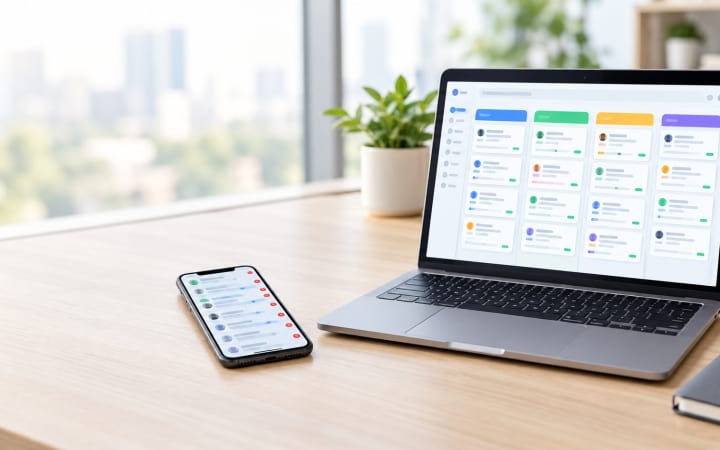
Leads lost in chats, follow-ups forgotten, one person who knows everything. Six signs you need a proper CRM, and what to do before you buy one.

Who we are, what we've learned building websites, apps and marketing for 23 businesses, five quick fixes you can make to your website today, and what this blog will cover.
Book a free 30-minute call. We'll look at your site and your numbers with you, and you'll leave with clear next steps, whether you hire us or not.


You'll talk to a senior member of the team, not a salesperson.